• Skip to main content
  • Skip to footer

Pain Free Performance — Posture Alignment Therapy

Live Pain Free!

  • HOME
  • Live Pain Free
    • BACK PAIN
    • KNEE PAIN
  • What We Do
    • Therapy Appointments
    • Virtual Appointments
    • FAQ
  • Testimonials
    • Doctor Testimonials
    • Client Testimonials
      • Lynn’s Story
      • BACK PAIN: MISSY’S STORY
    • Case Studies
  • ABOUT US
    • About Jess Powell
  • Contact
  • BLOG
  • Resources

Egoscue

Knee Pain: How to treat, prevent, and live Pain Free with Egoscue Method

July 16, 2026 by Jess Powell

Knee pain is a frequent issue that brings individuals into Pain Free Performance. Pain in the knees can often be diagnosed as arthritis, instability, weakness, or tearing of the supporting structures. In order to identify the root of the pain and not just treat the symptom, the first assessment needs to focus on the joint position of the knee that created the diagnosis.

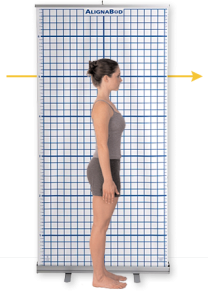
During an initial assessment, it is important to palpate the joint position and identify muscular and structural imbalances. Clients with knee pain often present with knees that are rotated externally or internally from the hip. A kneecap (patella) or femur position (the position of the thigh bone from the hip) that is not straight creates an uneven distribution of load on the knee, ankle, and foot. The knee was designed to be a hinge joint and function by bending and straightening. If many of us are walking, running, and jumping with knees that are rotated, it is no wonder acute and chronic knee pain are frequently diagnosed and treated!

Our bodies are brilliant at compensating for muscular imbalances and changes in function. Clients with acute or chronic knee pain often stand with their knees bent in flexion to take pressure off the knee. This creates a cascade of compensations throughout the body. The hip begins to tilt, the spine is altered through rotation and flexion, and the ankle and foot begin to turn outward. Compensation for joint position and pain can lead to more issues down the road. When the joint position of the knee is rotated and out of alignment, individuals with knee pain who undergo imaging, such as an MRI or CT scan, may show a meniscus tear or cartilage degeneration. In our practice over the past decade and a half, many of these clients had been advised to have arthroscopic surgery that did not resolve their knee pain but instead made it worse. Recently, medical literature has supported this observation, stating that “for most patients with osteoarthritis of the knee, arthroscopic surgery offers little benefit” (Mounsey A, Ewigman B. Arthroscopic surgery for knee osteoarthritis? Just say no. J Fam Pract. 2009 Mar;58(3):143-145. PMID: 19284940; PMCID: PMC3183924).

So how do we treat knee pain? At our practice, we use postural alignment therapy, the Egoscue Method, to identify the root cause and imbalances creating pain and work toward lasting change in a functional body. This is accomplished through a whole-body assessment designed to reduce knee pain while enhancing overall mobility and function. The Egoscue Method does not just address the pain—it addresses the root cause of the pain.
Filed Under: Aging and alignment, Alignment, Arthritis, Egoscue, Injury and exercise, Joint Pain, Joint Replacement, Knee Pain, Movement For Alignment, Posture Alignment, Sports Injury and Alignment, Studio News Tagged With: Alignment therapy, Egoscue, Pain Free, The Egoscue Method

Painful Hip Flexors

February 5, 2020 by Jess Powell

It’s not uncommon for us to hear our clients mention waking up with tight, sore hip flexors. Hip tightness can occur for many reasons. Excessive sitting can cause the muscles to relax and deactivate becoming progressively weaker and shorter, creating pain.

Poor posture habits can create a structural imbalance which will cause an uneven pulling of muscles.  No matter the reason, tightness in the hip flexors will lead to decreased movement in the hip and change the way we walk, stand and sit. Our pelvic position will be out of line because the hip flexors are pulling the pelvis forward. This changes the load of our body and creates instability in our gait. Over time, the uneven load and misalignment leads to inflammation, arthritis and other degenerative changes causing pain.  What to do?

At Pain Free we will evaluate you individually to see what is going on with your body that’s creating the issue.  Part of the prescribed plan will retrain those hip flexors to let go, get back to their intended length and tension to eventually re-establish the entire body’s alignment restoring proper gait.  All of that equals being pain free!

Try this and see if you are able to notice a release:

Stand with your back against the wall. When your hips are touching the wall, your thighs and kneecaps will begin to release. If your thighs want to engage, stay in this position for 2-5 minutes until your thighs release and the backs of your legs begin to work.

Filed Under: Alignment, Arthritis, Egoscue, Joint Pain, Posture Alignment Tagged With: alignment, Egoscue, hip pain, muscle imbalance, Pain relief

Vertigo

November 6, 2019 by Jess Powell

Recently, we have had several clients come to see us with stories of having vertigo.  Often times they share the information as an aside to why they’re really here.  I want to explain why posture plays a huge role in the onset of vertigo for some people.  We took the following from Pete Egoscue’s insights on vertigo published on the Sonima website.  Be sure to check out the Egoscue E-cises Pete recommends at the end of his article:

VERTIGO

Vertigo is not pleasant. Its primary symptom is dizziness, sometimes so severe that the patient experiences nausea and vomiting, and it can last anywhere from a couple of hours to months and even years. Other symptoms range from headaches and eye twitching to sweating and hearing a persistent ringing in the ear. While the exact number of people who experience vertigo is not known, it has been estimated that 40 percent of all Americans will visit the doctor at some point in their lives because of vertigo. If you have had it, there really is no mistaking the sensation.

What Causes Vertigo?

Sometimes, vertigo is disease or illness-based, the result of a virus or a tumor, but doctors can quickly determine those cases. Most often vertigo is idiopathic, which is a medical term meaning no known cause or origin. In my experience, though, I’ve found most of those idiopathic versions of vertigo actually have a very specific cause—the position of the head. In other words, vertigo is usually about posture.

Humans are gravity machines; like the entire operating system of our universe, we rely on gravity to function, and because the body knows just how important our relation to gravity is, it offers redundant systems to make sure we have an accurate reading on our gravity field, i.e., the ground.
[Read more…] about Vertigo

Filed Under: Posture Alignment Tagged With: balance, dizziness, Egoscue, Vertigo

The Eight Laws of Physical Health

October 3, 2019 by Jess Powell

**This is a condensed version of The Eight Laws of Physical Health posted on the Egoscue University website.

THE EIGHT LAWS

I think we can all agree that the majority of laws are in place to protect us.  When it comes to the body, we have laws in place as well.  Eight of them, actually.  Pete Egoscue talks about them in his book, Pain Free.  Not only does he go in-depth about the Eight Laws, but gives you the Egoscue perspective on posture and pain.  Egoscue’s laws are a great way to understand how everything in the body works together.

  1. VERTICAL LOADING: Gravity is necessary for health. In order for gravity to exert a positive and dynamic influence on the body, the skeleton must be vertically aligned in its posture.


  1. DYNAMIC TENSION: A state of constant tension exists between the front of the body and the back.  The posterior portion is responsible for the erection of the body and the anterior is responsible for the flexion, or bending forward, of the body.  Neither activity can be performed correctly and healthily without this action.

[Read more…] about The Eight Laws of Physical Health

Filed Under: Alignment, Posture Alignment Tagged With: alignment, Egoscue, Functional movement, wellness

Set In Our Ways

July 26, 2019 by Jess Powell

The modern era has provided us with many benefits. Enhanced technology has changed our health care, our connections with one another, and increased our access to opportunities we would not have had without it. We see the changes with our children and their relationships with their peers. As technology changes our lives, we adapt socially and our bodies physically adapt.

Most of us have had periods in our life that require us to commute long distances or work in front of a screen. In order to live our lives, we frequently sit. Sitting or holding any position for an extended period of time changes our muscles, our joints and our cardiovascular system. These changes can decrease blood flow throughout our body and make our muscles atrophy. When we sit or hold any position for too long, some muscles shorten and other muscles stretch. Our body begins to adapt to the improper muscle length change which pulls our joints out of alignment. That’s when the pain begins.

At Pain Free, we use the Egoscue method that considers the whole body and the relationship of all muscles and joints to each other. We understand that a patient’s health history and movement history has created adaptations and changes in their musculoskeletal system. These changes have affected their body’s mobility, blood flow, and led to pain. This could be back pain, knee pain, hip pain, foot pain, or any part of the body that has had to adapt to hours of holding a position. With time, we are able to realign the body and nourish muscles that support the body. When muscles work the way they were designed to, we are pain free!

Filed Under: Alignment, Function of movement, Joint Pain Tagged With: alignment, back pain, Egoscue, Functional movement, joint pain, pain treatment

The Whole Picture of Being Pain Free

June 27, 2019 by Jess Powell

As Egoscue certified therapists, when we look at the body, we do not isolate it into individual bones or parts. We hear our clients when they identify the quality and site of their pain whether it’s knee pain, back pain, hip pain, or foot pain. This information is used as a tool to provide appropriate care for our client, but we continue to treat the whole body. In order to eliminate pain long term, we must work to correct the imbalance of the body as a whole unit.

When our client’s come to Pain Free Performance, we encourage them to “listen to their bodies”. This means to acknowledge when they have pain, to not complete exercises that bring on pain, and identify changes within their body after completing a musculoskeletal exercise.

In an Egoscue therapy session, we might encourage our client to stand with their backs against the wall and have their heels, hips, shoulders, and head touching the wall for two minutes. For some clients, not all of their body parts will be able to touch the wall in the beginning. During these two minutes, a client could feel that their body is falling forward, that the muscles behind their knee could be stretching, or they could notice that their head is forward. After two minutes of holding this exercise, we watch the client walk and ask them to consider if anything in their gait is different which could include:

Are they lighter on their feet?

Are they standing straighter?

Has their knee pain decreased?

Do they feel equal weight bear in both feet?

As therapists, we are looking for a change in the function of their body. We are assessing whether the exercise restored the client’s ankle function or created a lighter load in the client’s steps. In the beginning pain level or quality might not change, but it is through restored function of the musculoskeletal system that our clients will not only have improved posture, but improved quality of life without limitations. Balance and restored function of the musculoskeletal system are the key to becoming pain free.


Filed Under: Alignment, Function of movement, Posture Alignment Tagged With: alignment, back pain, Egoscue, Functional movement, Pain relief

Alignment While Exercising

June 19, 2019 by Jess Powell

Have you ever been told by a fitness instructor or a health care professional to tuck your pelvis under to protect your back?

Look in any anatomy book at the skeletal system and you will see that the lower back is designed to have a curve in it.  The curve of the lower back is there to absorb the “shock” of your body weight when you stand or move.  When you tuck the pelvis under you are decreasing the curve of your lower spine and taking away the shock absorber.  Doing this will eventually contribute to back pain. But that’s not all!

Our bodies work as a unit.  Everything is connected in one way or another.  A tucked pelvis can also create rounding in the upper back which can cause the shoulders to move forward.  A rounded upper back can cause the head to go forward.  Below the waist the tucked pelvis will change the way the leg muscles work.  The change in the work of the leg muscles due to a tucked pelvis will force a slight bend at the knees. Overtime the uneven pressure on the knees can lead to a wearing of the cartilage, inflammation and pain.

Anytime you change the design of the skeletal system it effects the system as a whole.  There are safe ways to exercise with or without weights that do not involve changing the natural alignment.  Use your Egoscue programs to align your body (get straight).  Then when you embark on a fitness activity (strengthen), allow the natural curve in your spine and keep your shoulders back while performing upper body exercises.  If you need additional guidance, we are happy to help.

Filed Under: Exercise, Movement For Alignment Tagged With: alignment, back pain, Egoscue, strengthening exercise

Mechanotransduction….

August 25, 2018 by admin

Have you ever heard of Mechanotransduction? You’re probably saying to yourself, “No, and why do I care?” Because, understanding the meaning gives us one more important reason to keep moving!

Mechanotransduction is the physiological process in which cells sense and respond to mechanical loads.

Again, you might be thinking “So what?”

Basically, what it means is that when you walk, bend, dance or move in any way, your cells are being squished. This bending and squishing of your cells causes the body to convert the cellular response to create structural change.

Why does this matter? In the same way it matters for us to eat healthy foods. The nutrients from foods communicate with our cells and cause them to behave in a particular way. Movement creates a cellular response that can make a weak bone become a strong bone in response to the appropriate “load” through the joints. Your cells respond to balanced movement the way they respond to a healthy diet.

“Feed” your body at the cellular level by moving to stay aligned, balanced and pain free!

Filed Under: Exercise, Movement Tagged With: alignment, Charlottesville Posture Alignment Therapy, Egoscue, Functional movement, wellness

  • Page 1
  • Page 2
  • Page 3
  • Interim pages omitted …
  • Page 5
  • Go to Next Page »

Footer

Pain Free Performance, Posture Alignment Specialists

QUICK LINKS

  • Frequently Asked Questions
  • Virtual Appointments
  • About Back Pain
  • About Knee Pain
  • Client Testimonials
  • About Jessica Powell, RN, BA/PAS
  • Contact Us Today

Our Studio is located at
3054 Berkmar Drive, Suite C
Charlottesville, VA 22901
(434) 296-0600
We are also available for virtual appointments.

FacebookConnect with us!

© Copyright, Pain Free Performance, Posture Alignment Therapists serving Charlottesville and Albemarle County in Virginia.
Posture Alignment Therapy is available virtually or in person at our studio.
Charlottesville Posture Alignment Therapy to relieve back pain, neck pain, hip pain, shoulder pain, and other muscular and body pain.
PainFreePerformance.com
Web development by EJ Communications